Mastering Alfajores: Your Easy Recipe for Latin America's Favorite Cookie
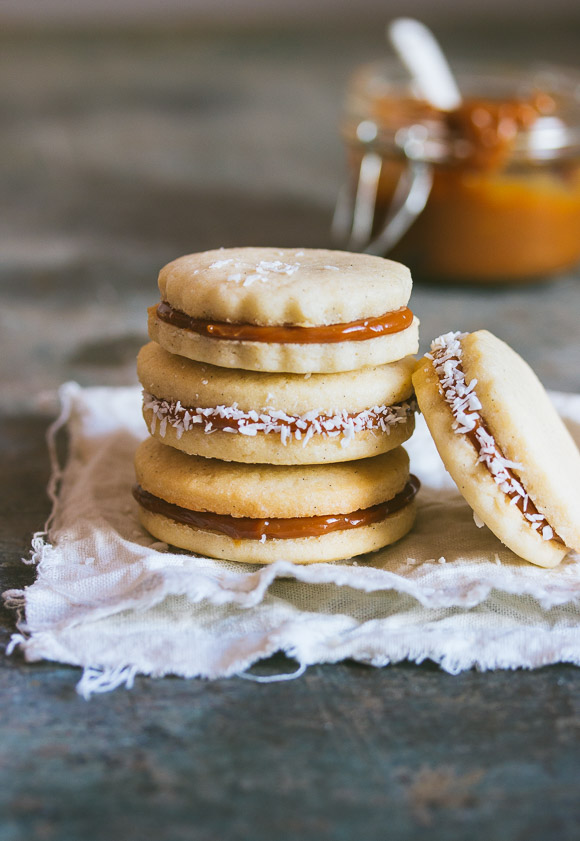
Step into the vibrant world of Latin American desserts, and you'll quickly discover the unparalleled charm of Alfajores Unpacked: The Diverse World of Latin American Sandwich Cookies. These aren't just cookies; they're a culinary embrace, a sweet symbol of hospitality enjoyed from bustling city cafes to quiet family gatherings. Imagine a delicate, melt-in-your-mouth cookie, light as a cloud, generously filled with a luscious, creamy caramel, and often adorned with a sprinkle of toasted coconut or a dusting of powdered sugar. That, my friend, is an alfajor – and it's surprisingly simple to master in your own kitchen. Originating from Arabic influences and evolving over centuries in Spain and across the Americas, alfajores have found their truest expression in countries like Argentina, Peru, Chile, Uruguay, and Ecuador, becoming a staple sweet treat. While the name and specific preparation might vary slightly by region, the core magic remains: two tender cookies embracing a rich, sweet filling. This article will guide you through an easy, fail-proof recipe to create these beloved sandwich cookies, allowing you to bring a taste of Latin America's sweetest tradition into your home.What Makes Alfajores So Irresistible?
The allure of alfajores lies in their unique combination of textures and flavors. Unlike typical shortbread, the dough for alfajores incorporates a significant amount of cornstarch alongside wheat flour. This ingenious addition is the secret to their signature delicate, crumbly, yet impossibly tender texture. They don't just melt in your mouth; they practically *dissolve*, leaving behind a delightful sweetness. At the heart of almost every classic alfajor is dulce de leche, a rich, milk-based caramel. This creamy, golden-brown confection provides a decadent contrast to the light cookie, offering a depth of flavor that is both comforting and profoundly satisfying. The experience is often completed with a decorative flourish – typically a roll in fine shredded coconut along the edges, which adds a subtle chewiness and another layer of texture, or a simple, elegant dusting of confectioners' sugar. Some creative variations even venture into chocolate coatings or alternate jam fillings, but the dulce de leche version remains the quintessential favorite. It's this harmonious blend of soft cookie, luscious caramel, and a hint of coconut that cements alfajores as an unforgettable dessert experience.The Heart of the Cookie: Dulce de Leche Explained
While the tender cookie shells are crucial, the soul of an alfajor undeniably resides in its filling: dulce de leche. This sweet, caramelized milk spread is more than just a topping; it's a cultural cornerstone in many Latin American kitchens. Essentially, dulce de leche is created by slowly cooking sweetened milk until it thickens and caramelizes to a rich, amber hue and a wonderfully creamy consistency. The name itself, "dulce de leche," translates directly to "sweet of milk," but its moniker varies widely across the continent. In Chile and Ecuador, it’s commonly known as manjar. Peruvians might call it manjar blanco, while in Colombia and Venezuela, it's arequipe. Mexicans have their own version, cajeta, often made with goat's milk, offering a slightly tangier profile. Brazil offers doce de leite. Despite the different names, the core essence remains the same: a velvety, deeply flavored caramel that pairs perfectly with almost anything, but especially with the delicate alfajor cookie. While making dulce de leche from scratch is a rewarding process (often involving simmering a can of sweetened condensed milk for several hours), high-quality pre-made dulce de leche is readily available in most supermarkets or specialty stores. Look for brands imported from Argentina or Uruguay for an authentic taste. Beyond the traditional, some modern alfajores experiment with fillings like guava jam, blackberry jam, or even chocolate hazelnut spread like Nutella, offering delicious alternatives for different palates. However, for a truly classic experience, dulce de leche is king.Crafting Your Own Alfajores: An Easy, Step-by-Step Recipe Guide
Making alfajores might sound intimidating, but with this easy recipe, you'll be baking like a seasoned pastry chef in no time. The process requires a little patience, especially with chilling the dough, but the payoff of these homemade treats is absolutely worth every moment.Ingredients You'll Need:
* Unsalted Butter: 200g (1 cup), softened at room temperature. * Powdered Sugar (Confectioners' Sugar): 150g (1 ¼ cups), plus extra for dusting. * Egg Yolks: 3 large. The yolks contribute richness and tenderness without making the cookies tough. * Vanilla Extract: 1 teaspoon. * All-Purpose Flour: 250g (2 cups), spooned and leveled. * Cornstarch (Cornflour): 200g (1 ¾ cups). This is the key ingredient for that signature melt-in-your-mouth texture. * Baking Powder: 1 teaspoon. * Dulce de Leche: 400g (14 oz) jar, for filling. * Shredded Coconut (unsweetened, fine): 1 cup, for decoration (optional).Step-by-Step Preparation:
1.Cream Butter and Sugar: In a large mixing bowl, cream together the softened butter and powdered sugar until the mixture is light, fluffy, and pale in color. This process incorporates air, making the cookies tender.
2.Add Wet Ingredients: Beat in the egg yolks one at a time, ensuring each is fully incorporated before adding the next. Stir in the vanilla extract. Scrape down the sides of the bowl to ensure everything is well combined.
3.Combine Dry Ingredients: In a separate bowl, whisk together the all-purpose flour, cornstarch, and baking powder. This ensures even distribution of the leavening agent and cornstarch.
4.Gradually Add Dry to Wet: Slowly add the dry ingredient mixture to the wet ingredients, mixing on low speed until just combined. Be careful not to overmix! Overmixing develops gluten in the flour, which can lead to tough cookies. The dough will be soft and somewhat crumbly.
5.Chill the Dough: Form the dough into a disc, wrap it tightly in plastic wrap, and refrigerate for at least 1 hour, or preferably 2 hours. Chilling makes the dough easier to handle and prevents the cookies from spreading too much during baking.
6.Preheat Oven & Prepare Baking Sheets: Preheat your oven to 175°C (350°F). Line two baking sheets with parchment paper.
7.Roll and Cut Cookies: On a lightly floured surface (or between two sheets of parchment paper to prevent sticking), roll out the chilled dough to about ¼ inch (6mm) thickness. Use a 1.5 to 2-inch (4-5cm) round cookie cutter to cut out circles. Carefully transfer the circles to the prepared baking sheets, leaving a little space between them.
Bake: Bake for 10-12 minutes, or until the edges are very lightly golden. The cookies should still be quite pale in the center. Do not overbake, as this will make them dry and hard instead of melt-in-your-mouth tender. They will firm up as they cool.
9.Cool: Let the cookies cool on the baking sheets for 5 minutes before transferring them to a wire rack to cool completely. This is essential before filling them.
10.Assemble Your Alfajores: Once completely cool, pair up the cookies by size. Spread a generous tablespoon of dulce de leche onto the flat side of one cookie, then gently press another cookie on top to form a sandwich. The dulce de leche should squeeze slightly out the sides.
11.Decorate: Roll the dulce de leche-filled edges of each alfajor in the shredded coconut, pressing gently to adhere. Alternatively, dust the tops with powdered sugar, or do both for an extra special touch. Some even dip them in melted chocolate for a decadent variation!
12.Rest & Enjoy: For the best flavor and texture, allow the assembled alfajores to sit for at least a few hours, or ideally overnight, in an airtight container. This allows the dulce de leche to soften the cookies further, enhancing their tender quality. You can learn more about perfecting the texture in our guide to Bake Perfect Alfajores: Soft Cornstarch Cookies with Dulce de Leche.
Pro Tips for Perfect Alfajores:
- Measure Accurately: Especially with flour and cornstarch, use a kitchen scale for precision, or spoon flour into measuring cups and level with a knife.
- Don't Skip the Chill Time: This isn't just a suggestion; it's a crucial step for managing the delicate dough and preventing spread.
- Light Bake is Key: Underbaked alfajores are better than overbaked ones. They should remain pale for that signature tenderness.
- Be Generous with Dulce de Leche: Don't be shy! A thick layer of caramel is what makes these cookies so indulgent.
- Patience Pays Off: Allowing the cookies to rest after assembly truly elevates their flavor and texture, making them even more moist and cohesive.
- Storage: Store alfajores in an airtight container at room temperature for up to a week. They tend to get better with age, as the moisture from the dulce de leche softens the cookies further.
