Alfajores Unpacked: The Diverse World of Latin American Sandwich Cookies
Imagine a cookie that epitomizes comfort, tradition, and culinary artistry all in one bite. For millions across Latin America and beyond, that cookie is the
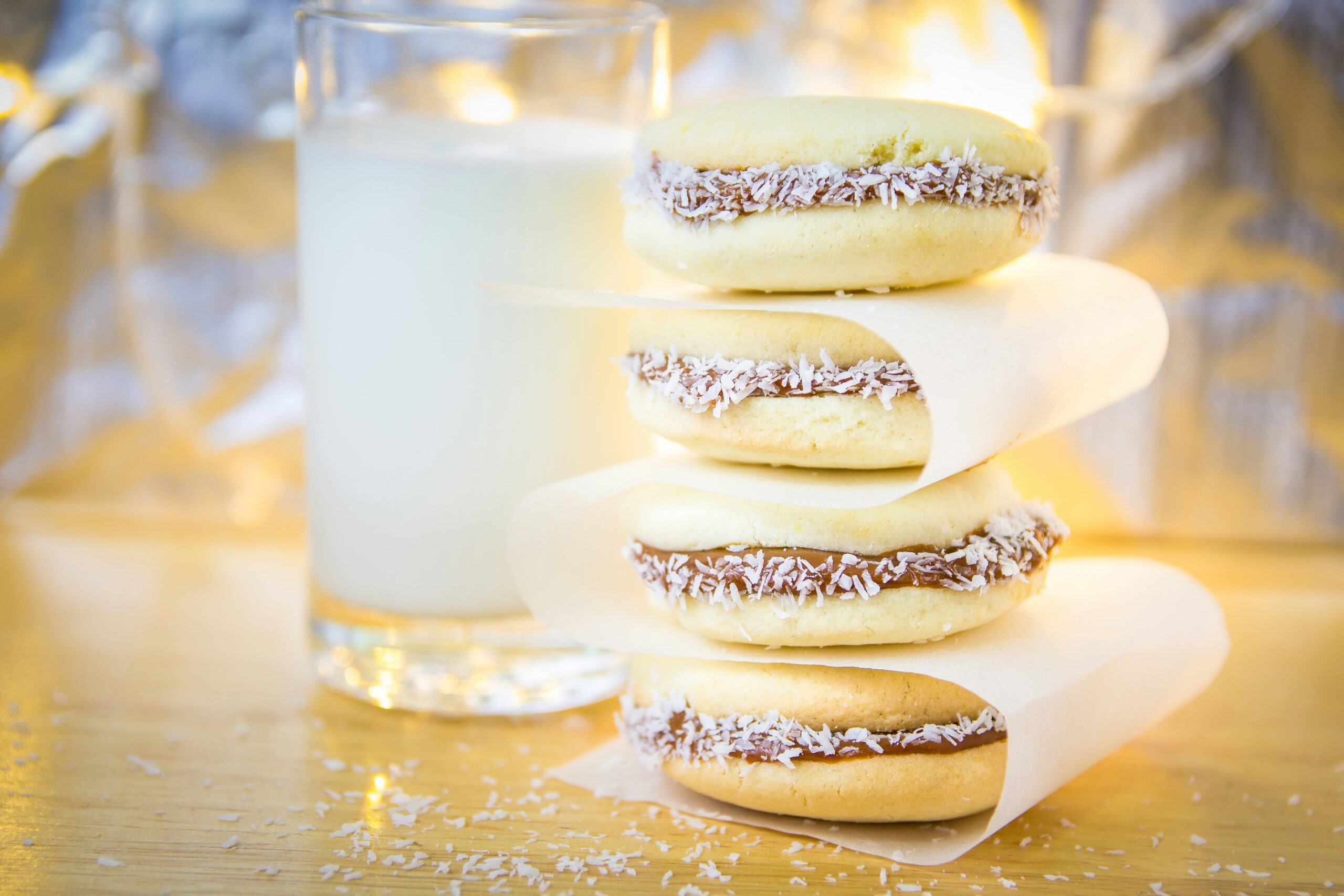
alfajor. Far more than just a sweet treat, these delightful sandwich cookies are a cultural icon, a staple at family gatherings, and a testament to the region's rich gastronomic heritage. With their tender, melt-in-your-mouth biscuits, luscious dulce de leche filling, and often a delicate dusting of coconut or powdered sugar, alfajores offer an irresistible experience that transcends borders and generations.
Originating from the Arabic word "al-hasú" meaning "filled," the alfajor's journey from Moorish Spain to the New World saw it evolve into the beloved confection we know today. While many countries proudly claim them as their own, the essence of the alfajor remains universal: a testament to simple ingredients coming together to create something truly extraordinary.
The Anatomy of an Alfajor: A Perfect Blend of Biscuit and Bliss
At its heart, an alfajor is a carefully crafted symphony of textures and flavors. The foundational element is a pair of soft, crumbly cookies, which cradle a generous filling. Unlike typical shortbread, these cookies possess a distinctive lightness and tenderness that is instantly recognizable. This unique texture is primarily due to a clever combination of wheat flour and, crucially, cornstarch. When baked, these cookies achieve an almost ethereal quality, dissolving on the palate with minimal effort.
But what truly elevates the alfajor is its star filling:
dulce de leche. This rich, creamy caramel, made from slowly cooked milk and sugar, is the soul of most alfajores. Its name, however, is as diverse as the countries that cherish it. In Chile and Ecuador, it’s known as
manjar; in Peru and sometimes elsewhere,
manjar blanco; in Colombia,
arequipe; and in Mexico, a goat's milk version is called
cajeta. Regardless of the name, this caramelized milk product provides a velvety, sweet counterpoint to the delicate cookies, creating an unforgettable sensory experience.
While dulce de leche is the undisputed champion, the world of alfajor fillings extends beyond this iconic caramel. Creative variations include vibrant fruit jams like guava or blackberry, decadent chocolate ganache, or even a hazelnut spread like Nutella. The finished cookies are then typically adorned with a final flourish – a gentle roll in dried coconut flakes, a dusting of powdered sugar, or sometimes both. For an extra touch of indulgence, some alfajores are even dipped entirely in chocolate, offering a different dimension of sweetness and texture.
The Secret to Their Signature Texture: Unpacking the Cornstarch Magic
The unparalleled tenderness of an alfajor cookie isn't an accident; it's a testament to smart baking science, primarily the inclusion of cornstarch. While traditional shortbread relies solely on butter and flour for its crumbly nature, the addition of cornstarch to the alfajor dough transforms its texture.
Cornstarch is a key player because it lacks gluten, the protein responsible for elasticity and chewiness in baked goods. By replacing a portion of the wheat flour with cornstarch, bakers significantly reduce gluten development. The result is a cookie that is incredibly soft, powdery, and delicate, almost melting the moment it touches your tongue. This creates a fascinating contrast with the rich, chewy dulce de leche filling, enhancing the overall experience. The combination of butter, powdered sugar (which also contributes to tenderness), a touch of flour, cornstarch, and baking powder works harmoniously to produce a biscuit that is light, airy, and truly unique.
For those eager to recreate this magic at home, understanding the role of cornstarch is vital. It’s the difference between a good cookie and an authentic alfajor. When crafting your own batch, remember that the dough will be softer and more delicate than a typical cookie dough, requiring a gentle touch. For a perfect homemade version, dive into
Bake Perfect Alfajores: Soft Cornstarch Cookies with Dulce de Leche to master this essential technique.
A Tapestry of Traditions: Alfajores Across Latin America
The alfajor is not merely a recipe; it's a living tradition, deeply woven into the cultural fabric of numerous countries. While their core elements remain consistent, regional variations reflect local ingredients, preferences, and historical influences. Argentina and Uruguay, for instance, are particularly renowned for their alfajores, often featuring thick layers of dulce de leche and lavish coatings of coconut. In Peru, the
manjar blanco filling is common, and some regions might favor a lighter, airier biscuit.
Countries like Chile, Ecuador, Colombia, Venezuela, and Paraguay all celebrate their own cherished versions, each subtly different yet undeniably alfajores. Even beyond Latin America, you can find similar sweet treats in Spanish-speaking countries, southern France, and the Philippines, highlighting the cookie's widespread appeal and historical lineage.
Despite some anecdotal claims that alfajores are primarily a Christmas treat, personal experience and the thriving year-round businesses dedicated to these cookies confirm they are enjoyed at any time of year. From a quick coffee break to elaborate celebrations, alfajores are a versatile delight, embodying the warmth of Latin American hospitality and the joy of sharing something truly special.
Elevating Your Alfajores: Tips for the Home Baker
While alfajores are relatively easy to prepare, achieving that perfect, melt-in-your-mouth quality requires a small amount of patience and a few insider tips. The final result, however, is undeniably worth the effort.
1.
Don't Overwork the Dough: The key to tender cookies is a light hand. Mix the ingredients just until combined to avoid developing too much gluten, which can lead to tough cookies.
2.
Chill Your Dough: A brief chill in the refrigerator makes the dough easier to handle and prevents the cookies from spreading too much during baking, ensuring perfectly shaped rounds.
3.
Bake Gently: Alfajor cookies should remain pale; overbaking will dry them out and diminish their delicate texture. Look for just a hint of golden on the edges.
4.
Cool Completely: Before assembly, ensure your cookies are entirely cool. This prevents the dulce de leche from melting and makes the filling process cleaner.
5.
Be Generous with Filling: Don't skimp on the dulce de leche! A thick, creamy layer is essential for the authentic alfajor experience. Spread it evenly to the edges of one cookie before gently topping with another.
6.
Decorate with Care: Roll the edges of the filled cookies gently in dried coconut or dust generously with powdered sugar. If dipping in chocolate, ensure the chocolate is tempered correctly for a smooth, shiny finish.
7.
Allow Them to Mellow: For the ultimate alfajor experience, let them sit for a few hours, or even overnight, after assembly. This allows the moisture from the dulce de leche to soften the cookies further, intensifying their melt-in-your-mouth quality and melding the flavors beautifully.
By following these simple guidelines, you can transform your kitchen into a Latin American bakery and create alfajores that rival those from any specialized shop. For a detailed guide, be sure to check out
Mastering Alfajores: Easy Recipe for Latin America's Favorite Cookie.
In conclusion, the alfajor is much more than just a cookie; it's a celebration of Latin American culture, a testament to the power of simple, quality ingredients, and an invitation to savor a truly unique sweet experience. Whether you prefer them coated in coconut, dusted with sugar, or dipped in chocolate, the tender cookies and creamy dulce de leche filling promise a moment of pure bliss. So, next time you crave something sweet, remember the diverse and delicious world of alfajores and perhaps embark on your own baking adventure.