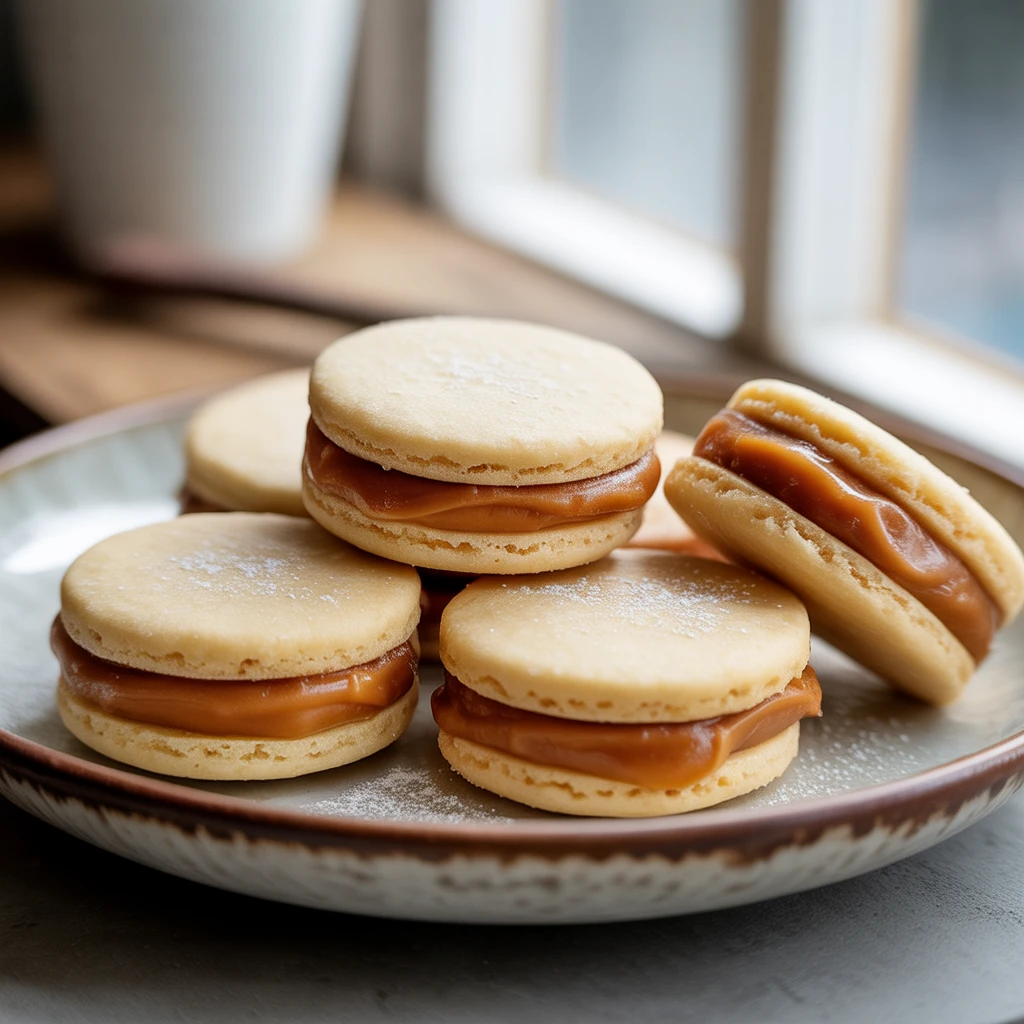
Bake Perfect Alfajores: Soft Cornstarch Cookies with Dulce de Leche
There are few treats as universally beloved across Latin America as the humble yet exquisite alfajor. These delightful sandwich cookies, celebrated for their delicate, melt-in-your-mouth texture and rich dulce de leche filling, offer a taste of sunshine and tradition in every bite. Far from being just another cookie, alfajores are a cultural icon, inspiring variations and loyal followings from the bustling streets of Buenos Aires to the tranquil villages of Peru. If you've ever dreamt of recreating these magical confections in your own kitchen, you've come to the right place. This comprehensive guide will walk you through the secrets to baking perfect alfajores, transforming simple ingredients into an unforgettable culinary experience.
The Irresistible Charm of Alfajores: A Culinary Journey
Alfajores are more than just a sweet treat; they are a culinary embassy, carrying the warmth and heritage of their origins. While often associated primarily with Argentina, these delicious creations are a cherished part of the dessert landscape in countless Latin American countries, including Chile, Uruguay, Venezuela, Paraguay, Peru, Ecuador, Colombia, and Brazil, among others. Their popularity even extends to southern France and the Philippines, showcasing their remarkable global appeal.
What makes them so captivating? It starts with the cookie itself – a tender, shortbread-style dough made unique by the generous inclusion of cornstarch. This key ingredient is responsible for the signature crumbly, almost ethereal texture that sets alfajores apart. Then comes the glorious filling: a generous dollop of dulce de leche, a thick, caramelized milk spread that forms the sweet heart of these cookies. The final flourish often involves rolling the edges in toasted coconut flakes or dusting them with powdered sugar, adding an extra layer of flavor and visual appeal.
The name "dulce de leche" itself tells a story of regional diversity. While Americans typically recognize this term, across Latin America, it goes by many affectionate aliases. In Chile and Ecuador, it’s known as
manjar; in Brazil,
doce de leite; in Colombia and Venezuela,
arequipe. Mexico offers its own unique spin with
cajeta, a version traditionally made with goat's milk. These varied names highlight not just linguistic differences but also subtle regional variations in preparation and flavor, reflecting the rich tapestry of Latin American gastronomy. To dive deeper into the fascinating world of these cookies and their cultural nuances, explore
Alfajores Unpacked: The Diverse World of Latin American Sandwich Cookies.
Unlocking the Secret to Melt-in-Your-Mouth Alfajores
The hallmark of a truly exceptional alfajor is its texture – a delicate balance of crumbly, soft, and melt-in-your-mouth goodness. Achieving this requires understanding the role of each ingredient, particularly the star player: cornstarch.
The Power of Cornstarch
Unlike traditional shortbread, which relies heavily on wheat flour, alfajores dough incorporates a significant amount of cornstarch alongside flour. This isn't just a casual addition; it's a fundamental secret to their unique texture. Wheat flour contains gluten, which develops elasticity when mixed with liquid. While essential for structures like bread, too much gluten can make cookies tough. Cornstarch, being gluten-free, acts as a tenderizer, reducing gluten development and resulting in an incredibly delicate, almost powdery crumb that truly dissolves on the tongue. This makes alfajores distinctly lighter and airier than many other shortbread varieties.
The Heart of the Cookie: Dulce de Leche
The filling is undoubtedly the soul of the alfajor. Dulce de leche is a rich, creamy, caramelized milk spread made by slowly cooking milk and sugar until it reaches a thick, golden-brown consistency. Its deep caramel notes and velvety texture perfectly complement the light cookies. While you can certainly buy high-quality dulce de leche, making it from scratch (often by slowly simmering a can of sweetened condensed milk) yields an unparalleled depth of flavor.
While dulce de leche is the classic choice, the versatility of alfajores allows for delicious alternatives. Some recipes call for fruit jams, such as guava or blackberry, offering a tangy contrast to the sweet cookie. For a more decadent twist, many enjoy alfajores filled with chocolate ganache or even popular hazelnut spreads like Nutella. These variations demonstrate the cookie's adaptability, appealing to a wide range of palates.
The Finishing Touches: Coconut, Sugar, and Beyond
The final flourish elevates alfajores from a delicious cookie to a work of art. The most common decoration involves rolling the edges of the filled cookies in finely shredded, sometimes toasted, dried coconut. This not only adds a delightful texture and tropical flavor but also helps to seal the dulce de leche filling. Another elegant option is a simple dusting of powdered sugar, creating a snowy, sophisticated look. Some bakers even combine both, first rolling in coconut and then lightly dusting with sugar. For those seeking true indulgence, a chocolate coating – dark, milk, or white – offers a luxurious finish, transforming the humble alfajor into a gourmet delight often seen around holidays or special occasions.
Baking Perfect Alfajores: Essential Tips for Home Bakers
While alfajores are relatively easy to prepare, a small amount of patience and attention to detail will ensure a truly spectacular result. The process is incredibly rewarding, yielding a treat that will impress friends and family alike.
Mastering the Dough
The foundation of a perfect alfajor is its dough. Start with good quality ingredients: softened butter, finely powdered sugar, a mix of wheat flour and cornstarch, and a touch of baking powder for lightness.
*
Creaming Butter and Sugar: Ensure your butter is truly softened (room temperature, not melted) for best results. Cream it with the powdered sugar until light and fluffy. Powdered sugar, with its fine consistency, contributes to the delicate texture of the cookies even more than granulated sugar.
*
Don't Overmix: Once you add the dry ingredients, mix just until combined. Overmixing will develop the gluten in the flour, making your cookies tough instead of tender.
*
Chilling is Crucial: The dough will be soft. Wrap it tightly in plastic and refrigerate for at least 30 minutes, or up to several hours. Chilling stiffens the butter, making the dough much easier to roll and cut, and helps prevent the cookies from spreading too much in the oven.
Achieving Uniformity: Rolling and Cutting
Evenly sized cookies are essential for beautiful alfajores sandwiches.
*
Even Thickness: On a lightly floured surface, roll out the chilled dough to an even thickness, typically about 1/4 inch (6mm). Using rolling pin guides can help ensure consistency.
*
Clean Cuts: Use a round cookie cutter, usually 1.5 to 2 inches (4-5 cm) in diameter, to cut out your shapes. Re-roll scraps gently, chilling if they become too warm, to minimize toughness.
The Baking Process
Alfajores cookies are meant to be light-colored, so avoid browning them too much.
*
Low and Slow: Bake in a moderately preheated oven (around 325°F/160°C) until the edges are just barely golden and the centers are set. This usually takes 10-15 minutes, depending on your oven and cookie thickness.
*
Cool Completely: Allow the cookies to cool on the baking sheet for a few minutes before transferring them to a wire rack to cool completely. They will be very delicate when warm.
Assembling Your Alfajores
This is where the magic truly happens!
*
Generous Filling: Once the cookies are entirely cool, spread a generous amount of dulce de leche on the flat side of one cookie.
*
Sandwich and Press: Gently top with another cookie, pressing slightly to allow the dulce de leche to spread to the edges.
*
Roll in Coconut: If using coconut, gently roll the edges of the assembled alfajores in shredded coconut. A small plate or shallow bowl works well for this.
*
Dust with Sugar: If using powdered sugar, place the alfajores on a serving platter and dust liberally using a fine-mesh sieve.
*
The Maturing Process: For the best flavor and texture, alfajores are often said to improve after a day or two. The moisture from the dulce de leche softens the cookies further, allowing the flavors to meld beautifully. Store them in an airtight container. For a detailed, step-by-step recipe, be sure to check out
Mastering Alfajores: Easy Recipe for Latin America's Favorite Cookie.
Beyond the Traditional: Exploring Alfajores Variations
While the classic alfajor is a masterpiece on its own, its simple elegance provides a fantastic canvas for creative exploration. Don't be afraid to experiment with different flavor combinations to tailor these cookies to your own taste or occasion.
Consider infusing your dough with subtle spices like a pinch of cinnamon or cardamom for an aromatic twist. A touch of vanilla bean paste or almond extract can also add complexity. As mentioned, the filling itself is ripe for innovation: swap out dulce de leche for a rich hazelnut spread, a tart berry jam, or even a citrus curd for a brighter profile. For chocolate lovers, dipping half or all of the alfajor in melted dark or milk chocolate provides a luxurious finish, especially appealing for special events or holiday gift-giving. The joy of alfajores lies not just in their deliciousness, but in their boundless potential for personalization, allowing you to create a signature version that truly reflects your culinary flair.
Conclusion
Baking perfect alfajores is a journey that connects you to a rich culinary tradition, offering a taste of Latin American warmth and ingenuity. From the unique tenderness imparted by cornstarch to the luscious embrace of dulce de leche, every element contributes to an experience that is truly unforgettable. While the process may require a little patience, the reward of biting into a homemade alfajor – soft, sweet, and utterly delightful – is immeasurable. Whether you stick to the classic preparation or venture into creative variations, these melt-in-your-mouth sandwich cookies are guaranteed to become a cherished addition to your baking repertoire. So gather your ingredients, set aside some time, and prepare to embark on a delicious adventure that will bring joy to every palate.